
Move Through Pain with Reiki
Living with chronic pain can feel like moving through life underwater, every step heavier, every breath slower, every day a negotiation with your own body. The frustration, the exhaustion, the moments of wondering if relief will ever come, these are real, and they are valid.
But it doesn’t have to stay that way. Beneath the surface of chronic pain lies a layer that often goes unaddressed, the body’s subtle energy system. Trauma, injury, stress, and ongoing discomfort can leave lasting imprints here, keeping the nervous system in a heightened state and the body locked in protective patterns.
Reiki works with this hidden layer, easing tension, restoring flow, and helping the nervous system recalibrate. Over time, these shifts create a foundation where the body can move, rest, and heal more freely, opening doors to relief that may have previously felt out of reach.
Through this subtle, unseen guidance, Reiki invites your system to respond and release, supporting the body and mind in ways that may have seemed impossible. It moves beyond forcing change or promising results, creating space where tension softens, awareness expands, and the rhythm of living begins to feel more natural.
If this feels a little “woo” for your liking, stay with us, because the science and the stories have something to share that might just shift your perspective.
What Is Reiki?
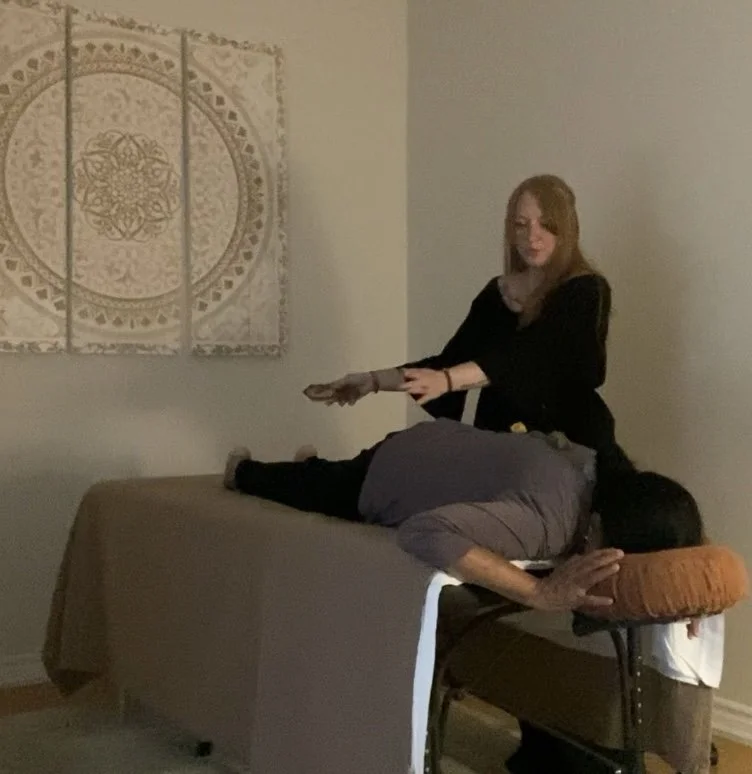

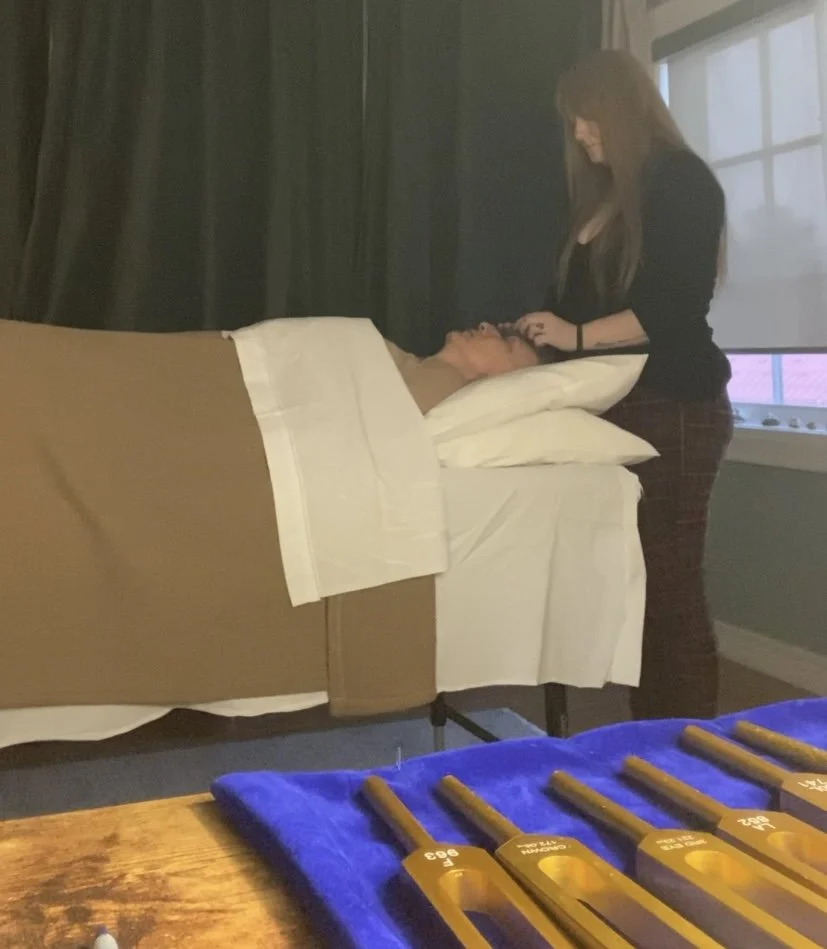
Reiki is an energy-based healing practice that works with the body’s subtle energy system. It is based on the understanding that injury, illness, and emotional trauma can leave lasting imprints here, which over time may influence pain, tension, and overall well-being. Unlike approaches that focus only on the physical or mental, Reiki addresses both energetic and physiological patterns, offering holistic support for mind and body.
Originating in Japan in the early 20th century, Reiki provides a structured approach to interacting with energy. Practitioners use gentle touch, hand placements, or focused intention to engage with the energetic field surrounding the body. By addressing areas of stagnation or imbalance, Reiki helps release patterns that contribute to discomfort, stress, or slowed recovery. Its presence in wellness and clinical settings reflects both growing interest and emerging evidence of measurable benefits.
During a session, people often notice warmth or coolness flowing through the body, gentle tingling in muscles or joints, tension lifting, or a sense of weight being released from shoulders and limbs. Some experience waves of energy moving through them, moments of lightness, or a deep, grounding calm. Others notice subtler shifts that are hard to describe but unmistakably signal the body and energy system responding and realigning.
As these shifts occur, the body’s own repair and regulatory processes can become more effective. Reiki encourages conditions that allow physical, emotional, and energetic systems to recalibrate, supporting natural restoration, reducing discomfort, and improving overall resilience. It also complements other treatments, enhancing the effects of conventional therapies.
How Reiki Supports the Body’s Healing
Chronic pain often keeps the body trapped in a heightened state of stress. Injury, ongoing discomfort, emotional tension, or past trauma can keep the sympathetic nervous system, the body’s “fight or flight” response, constantly activated. When this system is overactive, muscles tighten, inflammation rises, and pain signals are amplified. Healing gets sidelined because the body is focused on protection rather than repair.
Reiki supports a shift toward the parasympathetic state, often called “rest and restore.” In this state, the nervous system calms, breathing slows, and the body becomes more receptive to regulation, repair, and recovery. Parasympathetic activation naturally counterbalances sympathetic overdrive, easing muscular guarding and reducing the intensity of pain signals sent to the brain. As the nervous system relaxes, movement can feel more natural, and areas of tension begin to release.
People often notice warmth, tingling, a sensation of lightness, or the feeling of weight being lifted, signs that the body is recalibrating at a deep, energetic level. By modulating the balance between sympathetic and parasympathetic activity, Reiki creates conditions for both immediate relief and longer-term adaptation. The nervous system can settle, inflammation may decrease, and pain perception can shift, helping the body move out of protective patterns and toward lasting comfort.
Where Energy Meets Evidence
Reiki goes beyond anecdotal experience, with its effects on pain and wellness studied across diverse clinical contexts. Researchers are exploring how energybased therapies influence the nervous system, stress responses, and the body’s natural capacity to regulate pain and inflammation. Emerging evidence suggests that Reiki can offer measurable benefits that complement conventional approaches:
A 2014 literature review by Thrane and Cohen examined multiple randomized controlled trials on Reiki for adults experiencing pain and anxiety. Across the studies, participants consistently reported reductions in both pain intensity and anxiety, with effect sizes indicating that Reiki may provide meaningful support in clinical practice.
Earlier research, such as a 1997 Phase II trial by Olson, Hanson, and Michaud, looked specifically at advanced cancer patients living with significant pain. Participants receiving Reiki not only experienced notable decreases in pain, but also reduced reliance on opioid medications, highlighting Reiki as a potentially valuable adjunct to standard care.
Research from the Center for Reiki Research, along with studies conducted at Yale, the Cleveland Clinic, Johns Hopkins, and the Mayo Clinic, reinforces these findings. Across diverse populations, from surgery recovery patients to individuals managing chronic musculoskeletal conditions, improvements in comfort, stress regulation, and overall well-being were consistently observed.
Together, these studies show that Reiki can have tangible effects on both subjective experience and measurable outcomes. While further high-powered trials are always valuable, the existing research provides compelling support for Reiki as a complementary therapy that engages the body’s self-regulating systems, helping it shift out of stress-driven patterns and toward relief, balance, and restoration.
The Placebo Effect
Given the positive outcomes reported in Reiki research, a common question arises, could these benefits simply be the placebo effect? It’s true that expectation and belief can influence how we perceive pain and wellbeing.
However, carefully designed studies comparing genuine Reiki with pseudo interventions show that the benefits are not solely due to belief. Participants receiving authentic Reiki demonstrate measurable improvements in stress response, heart rate variability, autonomic nervous system regulation, and overall comfort, effects that are not observed in control groups receiving pseudo interventions.
Beyond subjective reports, some studies have measured physiological markers, such as reductions in cortisol levels, indicating that Reiki actively engages the body’s regulatory systems. These shifts support the nervous system’s capacity to move from prolonged states of stress into a more balanced state, which can, in turn, reduce pain sensitivity and support healing.
In other words, Reiki is not simply “thinking positive.” It produces tangible changes in the body and mind, modulating stress, easing tension, and enhancing the body’s natural ability to manage pain.
For people living with chronic discomfort, this distinction matters, Reiki provides real, measurable support that works alongside the body’s inherent healing mechanisms, creating conditions where relief and recovery become possible.
From Research to Real Life
Research gives us valuable insight into how Reiki can support the body, but reallife experiences show its effects in action. In our personalized Reiki sessions, we’ve worked with clients navigating chronic pain, injury, and lingering tension, real people who had tried multiple approaches without relief. The following examples highlight the outcomes observed through our tailored sessions, showing how focused energy work can shift patterns, release held tension, and create meaningful, measurable change in daily life:
Client A presented with scoliosis, chronic pain, stiffness, insomnia, and reduced ability to manage daily responsibilities. After 12 targeted sessions, they reported an approximate 85% reduction in pain. By the end of their treatment plan, they returned to full-time work and moved through daily tasks with minimal discomfort.
Client B was recovering from a concussive injury, facing disrupted sleep, heightened stress and anxiety, ongoing headaches, and significant brain fog. By the end of their plan, they were able to attend a football training camp they had expected to miss and successfully studied for and passed exams, reporting clearer focus, improved sleep, and fewer headaches.
Client C sought relief from severe PCOS symptoms, including ongoing abdominal pain, bloating, and an absent menstrual cycle for more than a year. While navigating high stress and emotional strain, they reported the return of their menstrual cycle after four sessions, along with significant pain reduction and cessation of panic attacks. They described feeling more steady and capable in the face of stress.
Each story is distinct, but the common thread is clear, when the body and energy system are supported together, meaningful change becomes possible, highlighting how Reiki can complement other approaches and unlock pathways to relief.
Closing Thoughts
Reiki goes beyond addressing symptoms, working with the whole system and meeting your body and mind exactly where they are. By gently shifting energy, releasing tension, and encouraging the nervous system to settle, it creates space for the body to move out of protective patterns and into a state of balance.
This allows natural healing, regulation, and relief to emerge, often in ways that surprise and empower. Over time, these subtle shifts accumulate. The body responds differently to stress, movement becomes easier, and moments of comfort and ease appear more frequently.
For many, Reiki also fosters a renewed sense of agency, a reminder that the body and mind can work together, that relief is possible, and that small, intentional changes can ripple into profound transformation. For anyone who has felt trapped by discomfort, weighed down by setbacks, or left searching for answers, this is your invitation, an open doorway to reclaim movement, energy, and joy on your own terms.
The only question left is, will you step through?