The Cranio-Sacral System – How it Connects the Head to the Hips
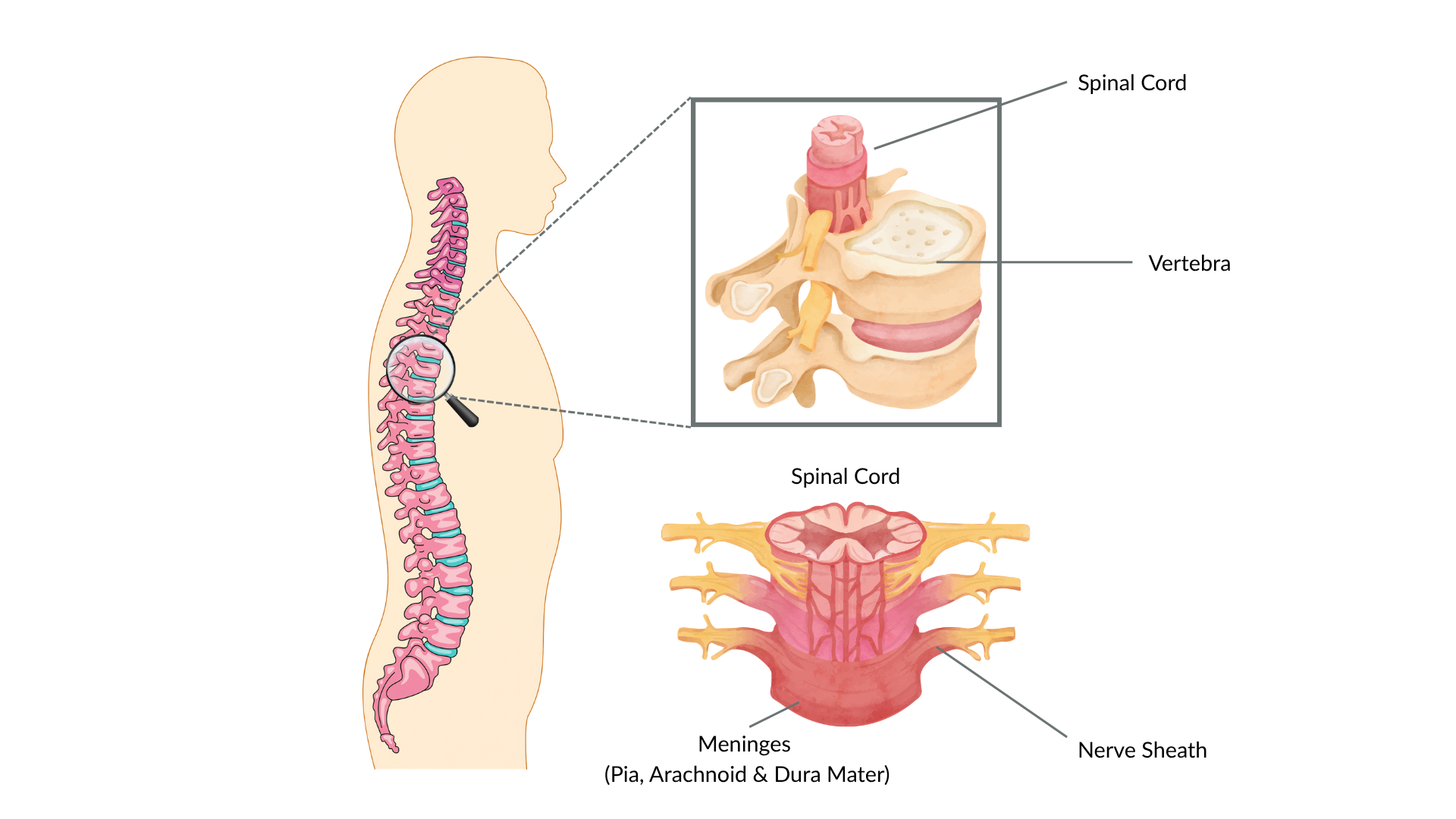
Elements of the Cranio-Sacral System
The Cranio-Sacral system (hereafter referred to as the (C-S system) is, as its name implies, the system of tissues which connects our skull (or cranium) to the pelvis (the back of which is the sacrum/sacral bone). It has several layers and is made up of many distinct tissues including muscles and ligaments but also the deepest parts of us like the lining of the brain and spinal cord, and everything in between including the fascia that holds it all together.
At the deepest level this system is comprised of tissues called the meninges whose layers coat and surround the surface of both the brain and spinal cord, and reflecting them the inside of the bones surrounding these organs, the skull and vertebral canal. Between the two distinct sections of the meninges resides nutrient-dense liquid called cerebro-spinal fluid whose flow is as important to our central nervous system as blood is to our muscles and other tissue systems. As an aside, this system in a sense “continues” as the lining of every nerve that exits the skull or the spine that we call the nerve sheath, so in a way the entire nervous system is never really separate from the C-S System, but that could be a topic for another article. We might call this part of the C-S system the neural portion.
Moving one layer toward the surface, we come to the bones themselves that we discussed above, and the ligaments that bind them together. We have several long ligaments that run the entire length of different aspects of our spine from sacrum to skull, as well as many smaller ones which link individual vertebrae together in different ways. The function of this part of the system, which we might call the osseous-ligamentous portion, is to provide protection for the more sensitive and easily injured systems encased inside and to provide stability for the function of the next part of the whole.
Again moving up one layer we come to the musculo-skeletal portion of the C-S System made up of all the muscles connecting to the various parts of the bony portion of the system. Like the ligamentous portion, there are muscles that span from head to hips, as well as many smaller layers that run from smaller portions of the spine to others, and even very small ones between the vertebrae. The purpose of this system is to utilize the stability of the skeleton to move the entirety of the C-S system as we go about our daily lives doing everything from getting out of bed to performing high level athletic activities.
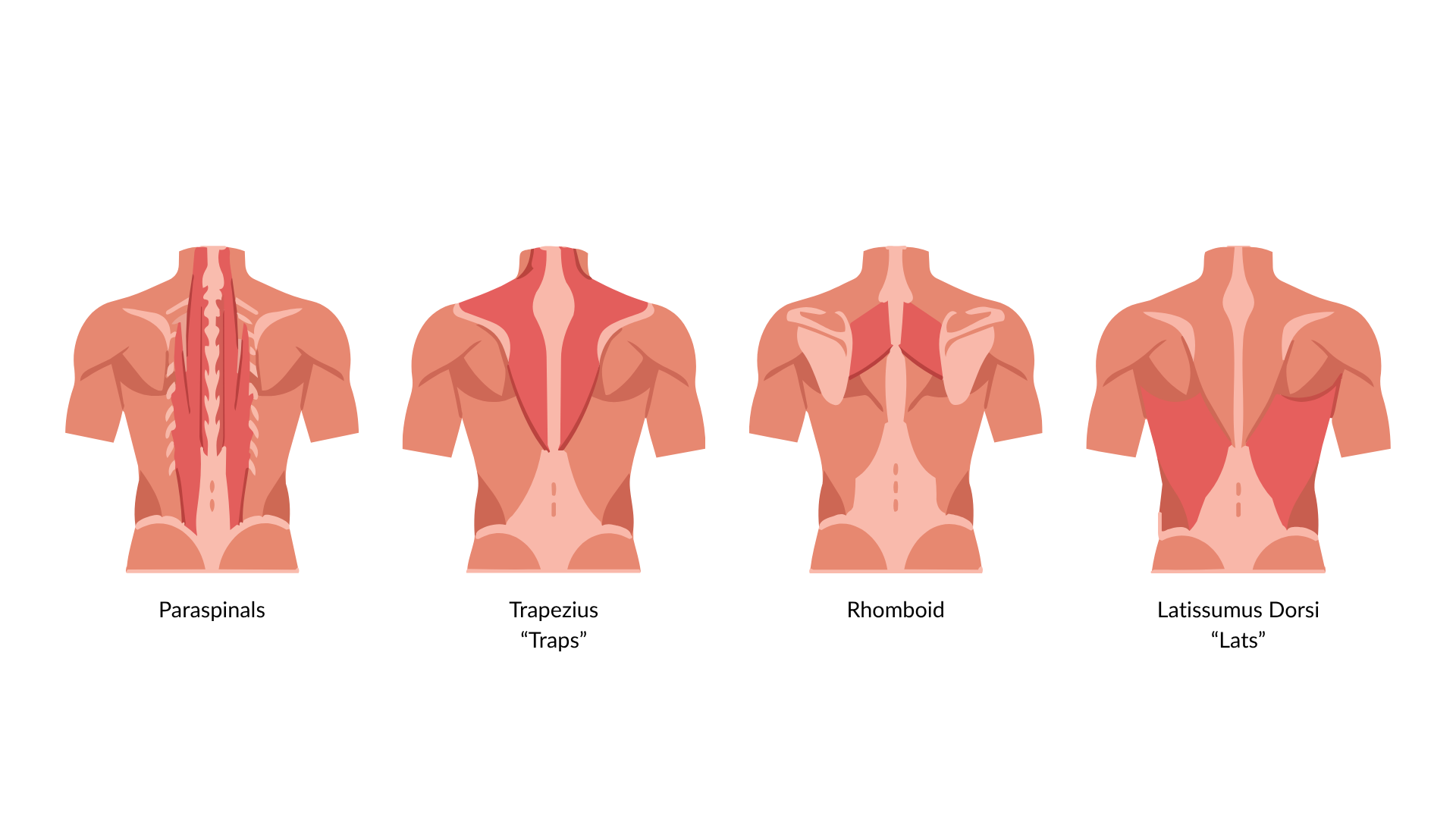
A selection of Muscle Groups that Connect to the Spine
And finally the least obvious but by no means least important part of the system is the one that surrounds and supports all of these disparate parts as it does every tissue and system in our body, the fascial system. Because it surrounds every portion, a “snag” or defect in one part of the fascia of the C-S system can effect and/or have knock-on effects in any other part (or indeed any other part of the body within the entire facial system, but again for simplicity’s sake I will keep the topic more focused). As a result, it is very common for fascial changes in one part of the C-S system to contribute to or even cause problems in another part.
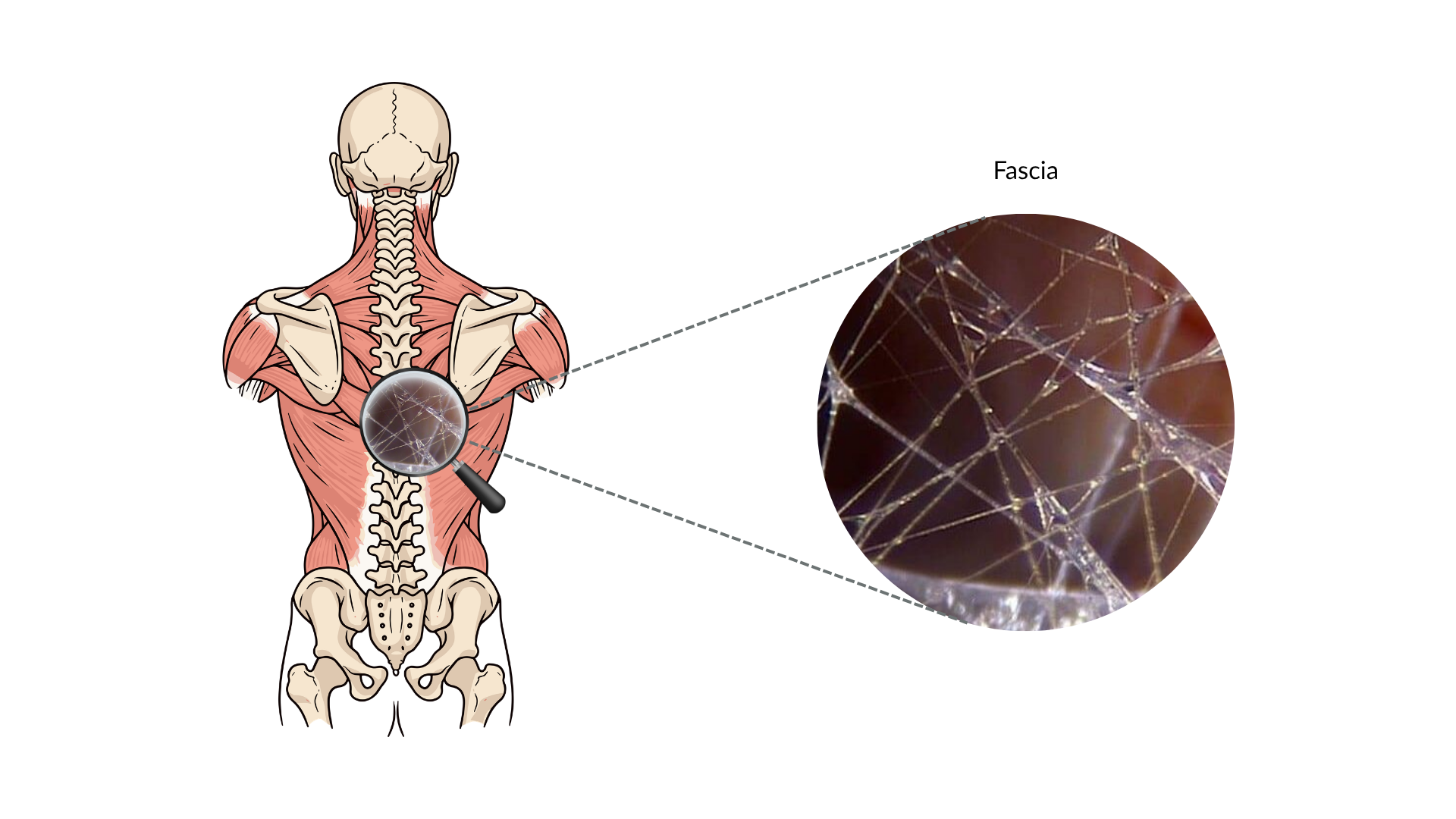
A Magnified Representation of Fascia
There is also an under-appreciated aspect of the neural portion of the C-S System that supports what we call the Autonomic Nervous System (or “ANS”). This is a part of the regulation of many of the bodily functions that we take for granted such as blood pressure regulation, breathing, pupil dilation, and so many others. If parts of the C-S System are caught in or otherwise affected by problems in the fascial system, sometimes this can contribute to changes in any ANS functions in ways that are significant but hard to parse out unless one understands how these systems work together.
For instance, an old football injury causing a sacro-iliac joint sprain may, via the fascia of the C-S system and the layers it surrounds, have a notable contribution to chronic headaches because of the constant strong pull downwards the old scar tissue exerts on the higher tissues. Or another example may be that the tension in the skull’s tissues from an innocuous concussion from a few years ago can pull “up” on the sacral portion and contribute to low back pain felt into the back of the hips, and even resulting “sciataca” phenomena due to the connections of the nerve sheathe to the neural portion of the C-S system. This person may also notice brain fog, or difficulty with speed of thinking or ability to concentrate which worsens as the back pain worsens.
You may have heard of Cranio-Sacral Therapy, which is a popular school of treatment developed by John Upledger to specifically address this system and which does it well, as well as being very compatible with John Barnes Myofascial Release (JBMFR) treatment techniques. However, the Cranio-Sacral system itself is an anatomical feature that is inside every one of us, unique to no one (although its specifics can be). It can be addressed in several different ways by different styles of treatment, and JBMFR is no exception.
A significant portion of the techniques we practitioners use every day is devoted to addressing and treating these tissues and the fascia connections between them throughout the entire C-S system. As a result we often have significant success helping patients who suffer from problems in the C-S system such as chronic headache, chronic back pain, and anything in between including harder-to-diagnose ANS contributions. This tends to be especially true for our patients if other medical or therapeutic interventions have failed to resolve the person’s problems adequately because as other interventions don’t work, in our experience, it makes it more likely that the fascia is the underlying culprit and needs to be addressed.
If you feel that reading this article explains some problems you’ve been having or you otherwise connect with the topic described, you may consider visiting our clinic to see if a course of treatment may help you get back to where you want to be and do the things you haven’t been able to do. Our accomplished and knowledgeable staff at Myofascial Release Mississauga would love to be of service, and we hope to see you.